Introduction and early records
The earliest Japanese records of tea drinking date to the ninth century. Envoys and monks brought tea seeds and the habit of drinking tea back from China, but tea circulated mainly in court and monastic circles rather than as an everyday drink. In the eleventh and twelfth centuries, Song–Japan trade and Zen exchange brought tea back into focus, and drinking gradually became tied to religious practice.
Eisai and the Kissa Yōjōki
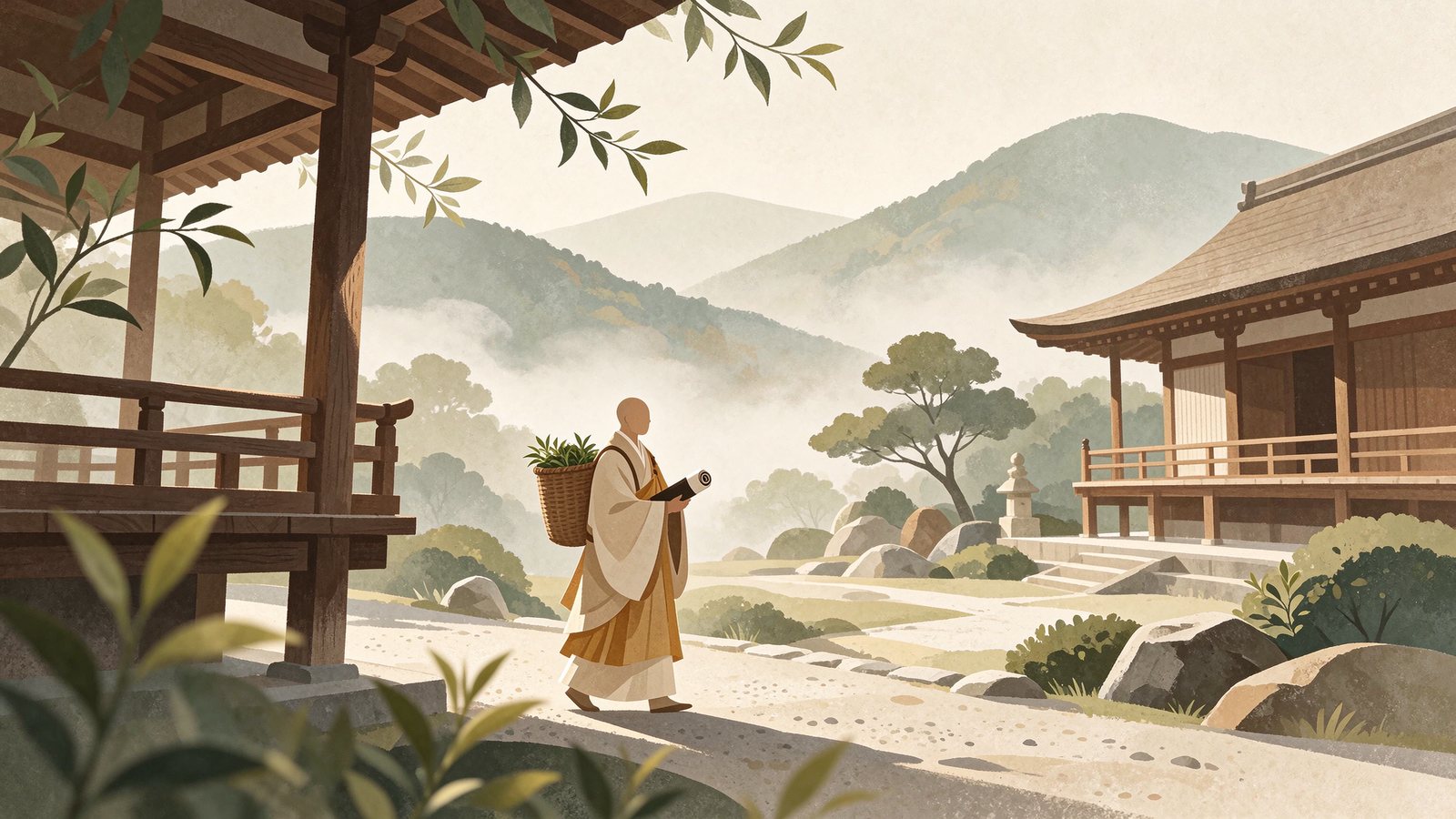
In 1191, the Rinzai monk Eisai returned from Song China with tea seeds and gave some to the abbot Myōe at Kōzan-ji in Kyoto. Myōe planted seeds at Toganoo and Uji, where larger-scale tea cultivation began. In 1211, Eisai wrote the Kissa Yōjōki (Drinking Tea and Prolonging Life), one of Japan's earliest tea treatises. It presented tea as a health substance and described cultivation and preparation.
Eisai was not the first person to bring tea to Japan; tea was already known in the ninth century. His importance lies in linking tea to Zen, health and monastic institutions, which helped spread it among warriors and elites.
Uji and Muromachi tea ritual
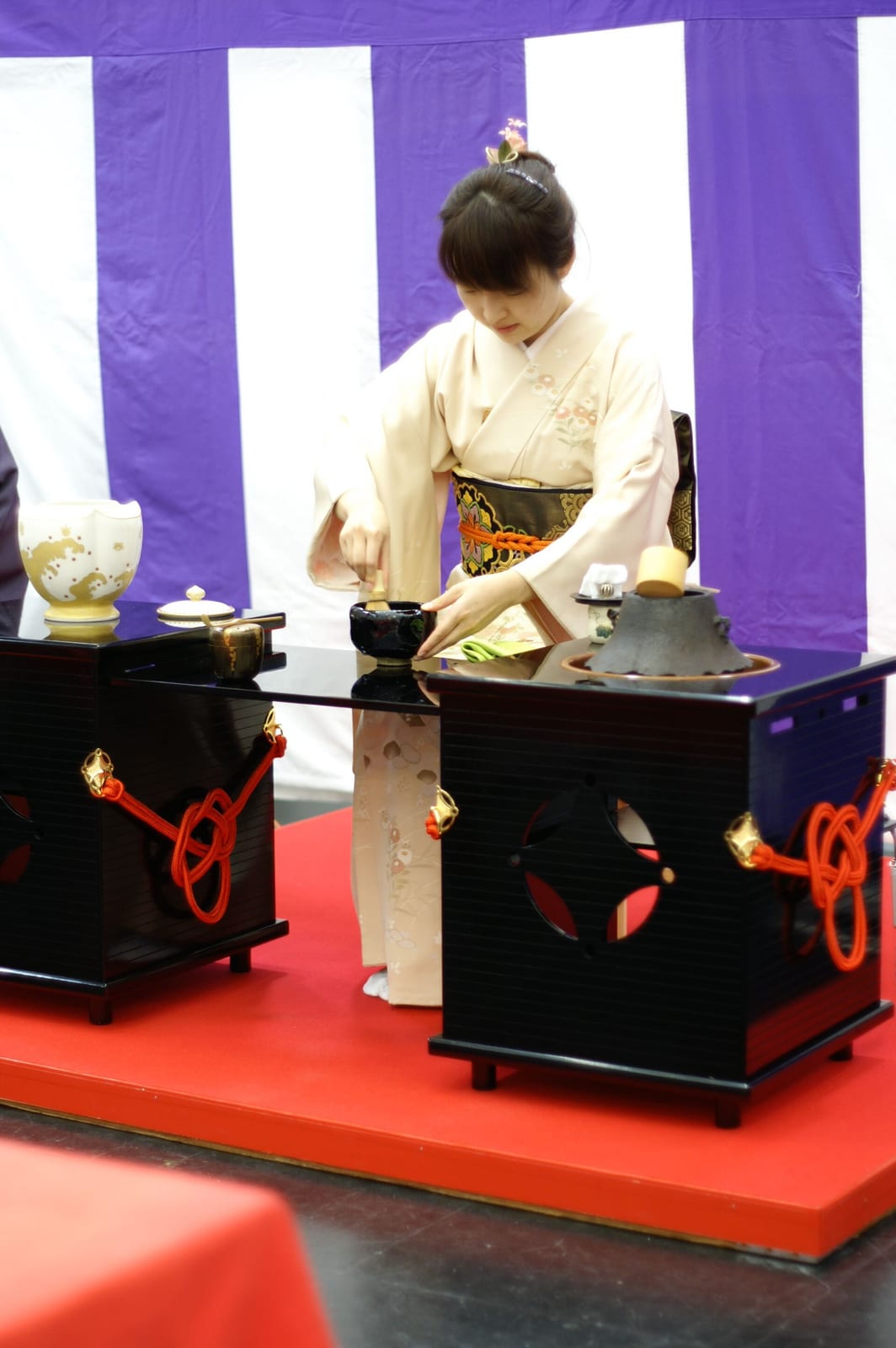
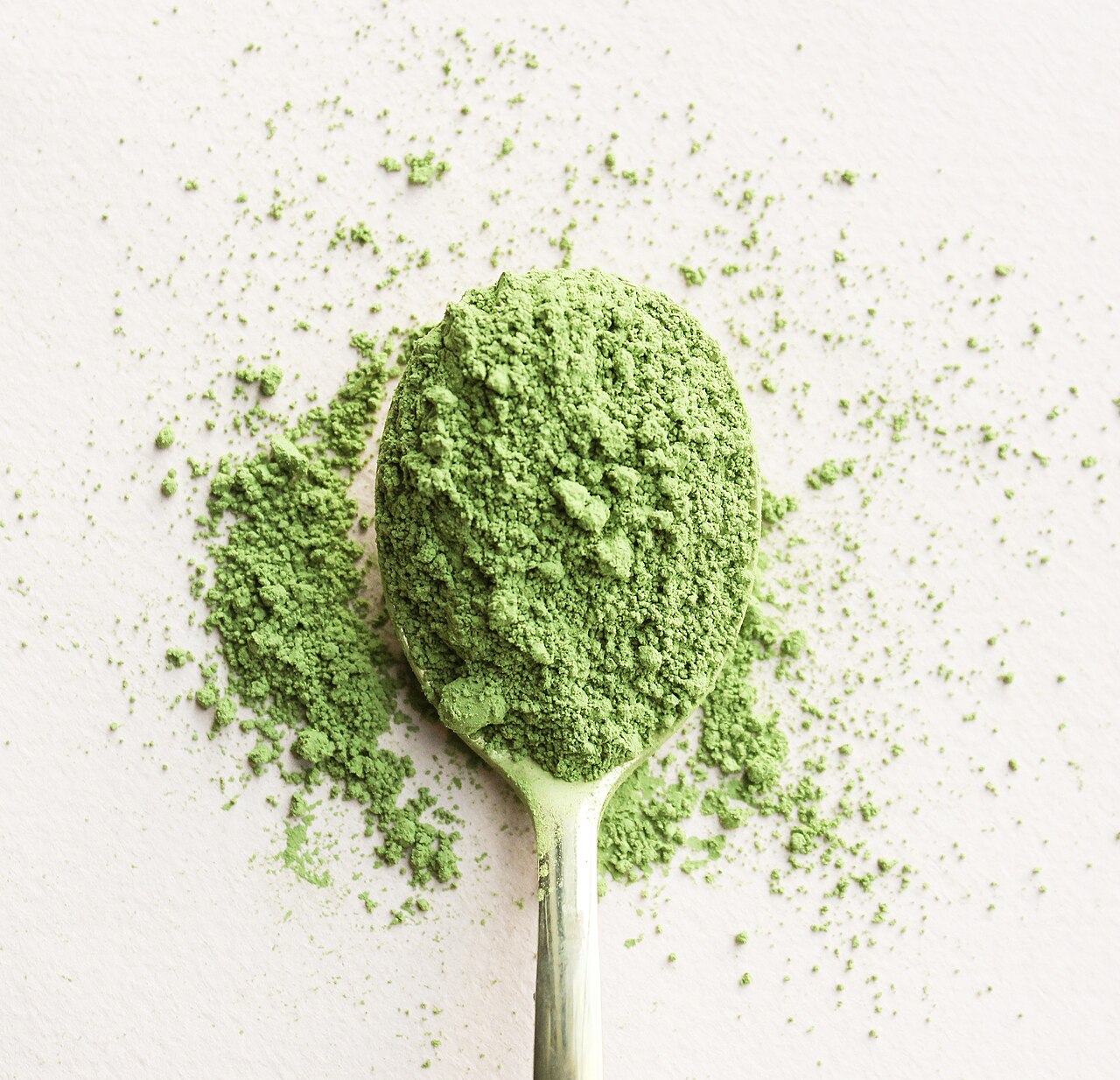
In the Kamakura period, Toganoo tea was regarded as honcha, “real tea.” Uji later surpassed it. In the Muromachi period, the Ashikaga shogunate encouraged tea gardens in Uji, and Uji tea's reputation spread. At the same time, tea ritual moved from monasteries into warrior residences. Matcha grinding, whisking and room arrangement became more codified. Tea competitions, tea gatherings and study-room tea flourished in the fourteenth and fifteenth centuries, laying institutional foundations for later chanoyu.
Edo sencha and modern industry
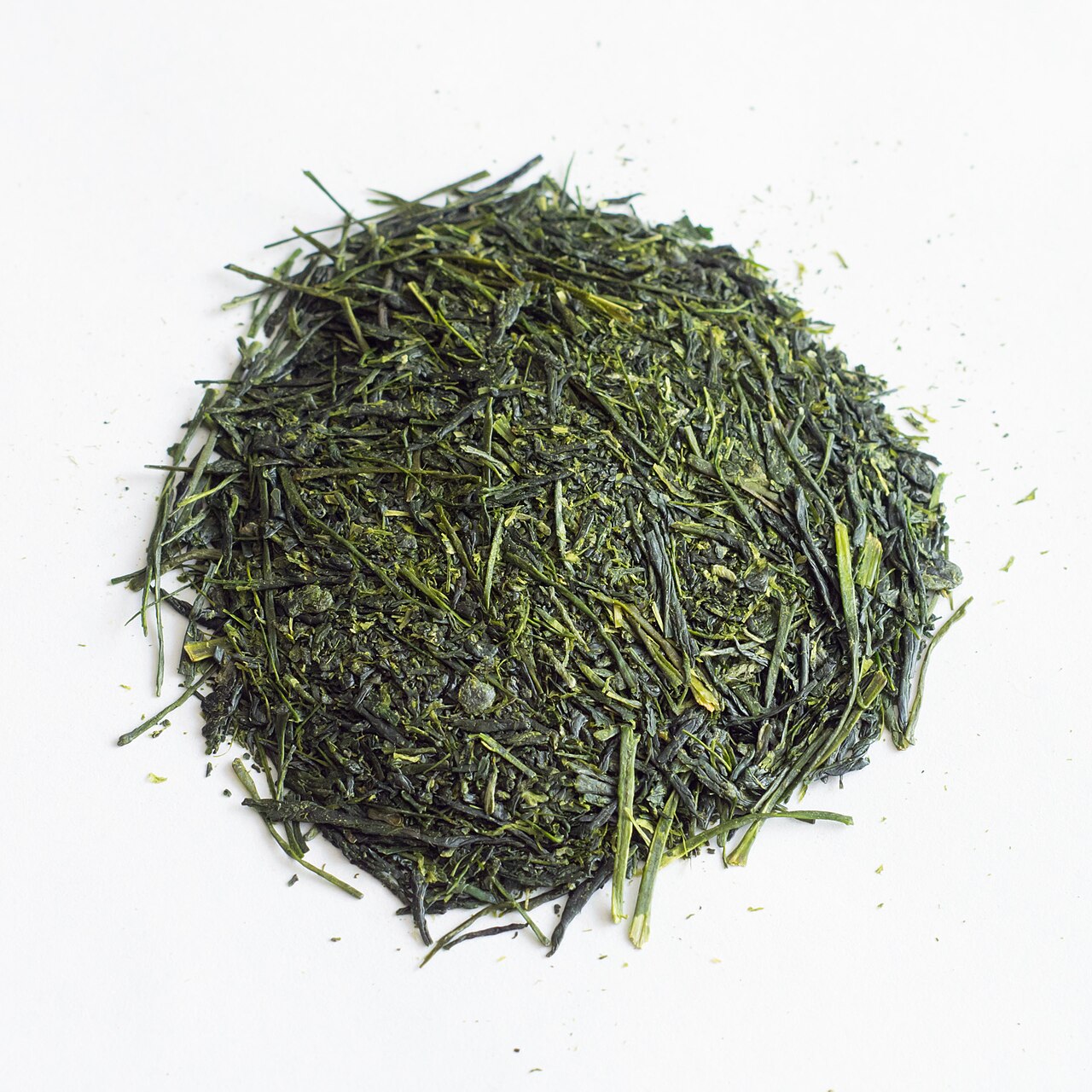
In the early Edo period, the name “Uji tea” became established. In the mid-Edo period, Nagatani Sōen improved steaming, rolling and firing, and sencha became a everyday Japanese tea. In the eighteenth and nineteenth centuries, sencha spread from Kyoto to Shizuoka, Kyushu and other regions. After the Meiji Restoration, Japanese tea moved into larger plantations, mechanical processing and export. The twentieth century added bottled tea, matcha foods and new market forms.
Timeline
- 9th century: tea arrives from China and appears in court and monastic records.
- 1191: Eisai returns from Song China with tea seeds.
- 1211: Eisai writes the Kissa Yōjōki.
- 13th–14th centuries: Uji gardens expand; Toganoo and Uji become famous.
- 15th–16th centuries: Muromachi tea ritual, study-room tea and chanoyu take shape.
- 18th century: steamed sencha processing matures and spreads.
- 19th century onward: Japanese tea enters modern industry and export.
How to read this history
Do not read Japanese tea history as a single line of evolution. Monks, courtiers, warriors, townspeople and modern industry each had their own tea. Matcha, sencha and gyokuro are different processes, not stages of one product. Ask who was drinking, with what process and on what occasion before generalising about “Japanese tea culture.”
Source boundary
This page follows Uji tea and a national timeline; it does not cover every Japanese tea region, and it does not equate one tea school with all Japanese tea practice. Dates, people and process details differ between sources; only nodes that can be checked against institutional timelines or tea-history materials are used here.