Introduction
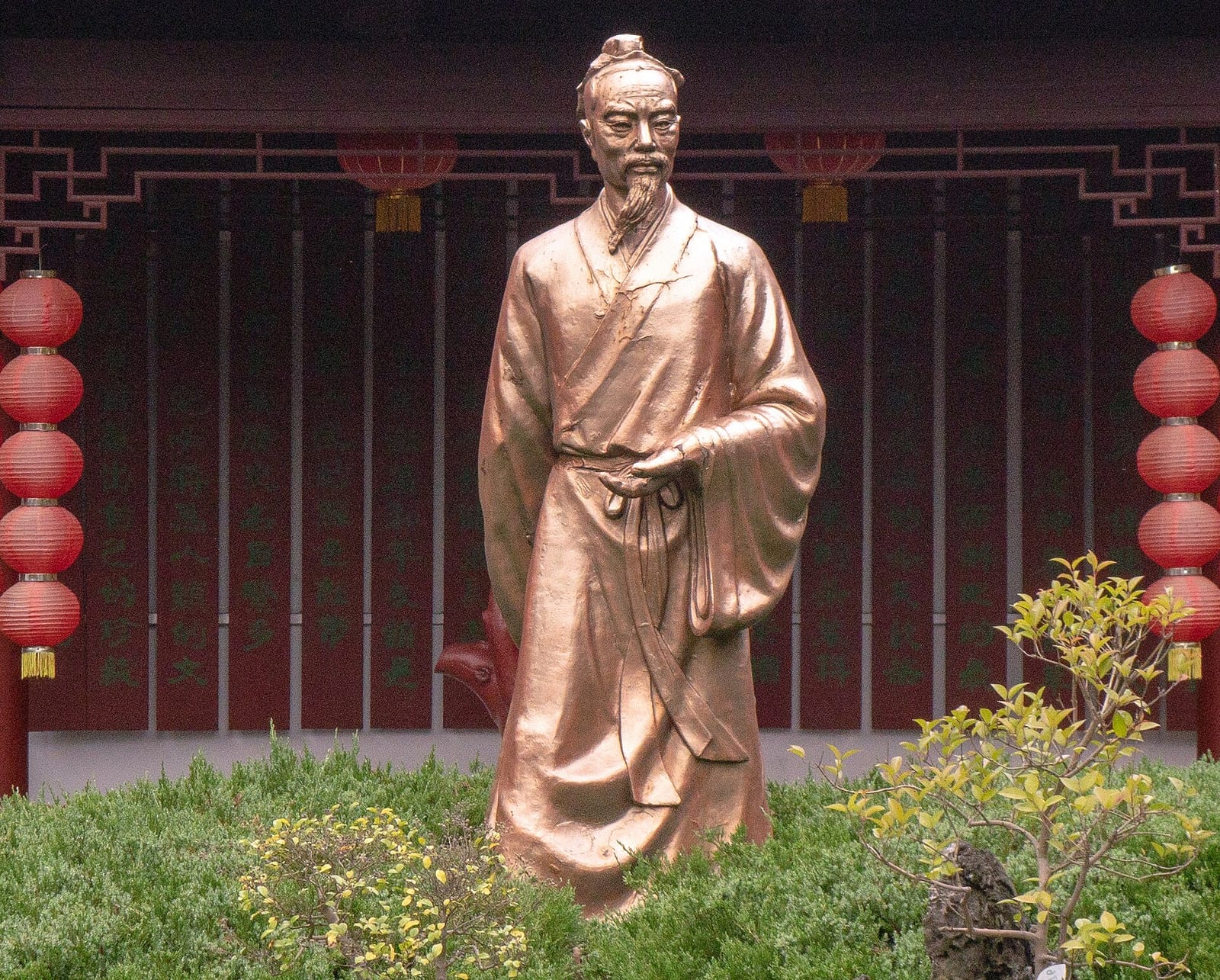
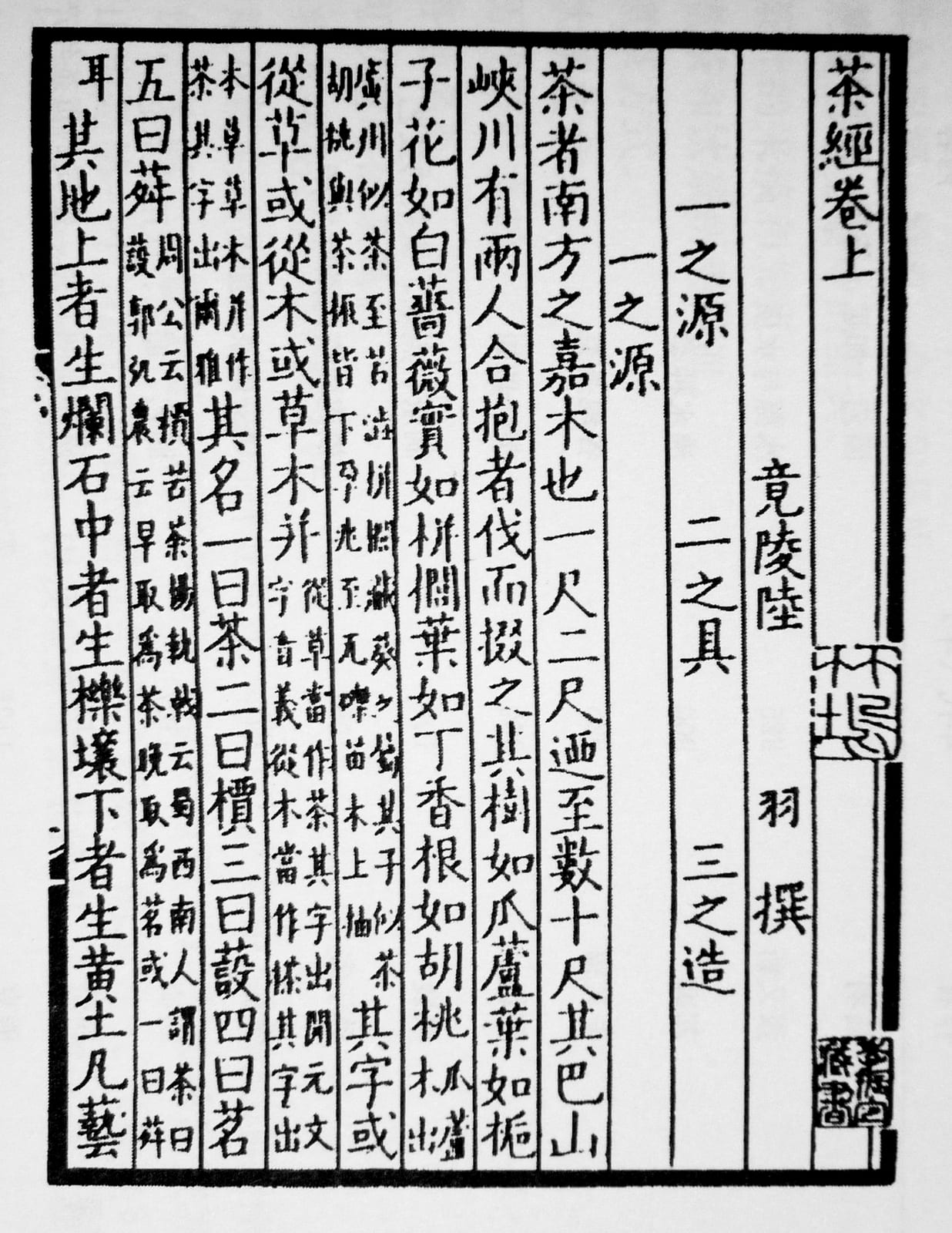
The Classic of Tea (Chajing) was written by Lu Yu in the late eighth century. It is arranged in three volumes and ten chapters, moving from the plant and its names to tools, processing, utensils, preparation, drinking, historical records and the tea regions of Tang China. It is often called the world’s first systematic book on tea, although that description is a modern evaluation rather than a Tang-era claim.
Structure
- One: origins — the plant, its names and growing conditions.
- Two: tools — equipment for picking and processing.
- Three: making — seasonal timing and production steps.
- Four: vessels — utensils for boiling and serving tea.
- Five: boiling — roasting, grinding, water and seasoning.
- Six: drinking — the history and manners of tea drinking.
- Seven: records — documents and people.
- Eight: producing regions — Tang-era tea areas.
- Nine: simplification — which tools and steps may be omitted.
- Ten: illustrations — pictures to display alongside the text.
Editions and reading
The surviving text is not Lu Yu’s manuscript but a tradition of copies and printed editions with textual variations. Modern editions usually add notes, vernacular translations and illustrations. These editorial layers have their own copyright and cannot be reproduced simply because the original text is in the public domain. Read the original alongside notes and a discussion of editions, and remember that Tang processing and preparation differ greatly from modern practice.
Why it matters
The Classic of Tea is important not only as a record of Tang tea practice. It establishes a way of writing about tea that places it within geography, objects, craft, history and human life. Later tea books, local gazetteers and cultural writing build on that framework.
Related entries
- Lu Yu — the author.
- Gongfu tea — a later practice, not a Tang reconstruction.
- Pan-firing — central to modern green tea, not the main Tang method.
Sources and rights
- The Classic of Tea (Wikisource, Chinese text) — Public-domain Chinese text used to verify chapters and quotations.
- The Classic of Tea — Bibliographic reference; no stable online edition supplied.
- Biography of Lu Yu in the New Book of Tang — Bibliographic reference; no stable online edition supplied.
The original Chinese text is public domain. Modern notes, translations and illustrations require individual clearance. This AI-edited English reference page is not a human-expert endorsement; chapter details and edition history are limited to the listed primary text.