Okakura Kakuzo (1863–1913) was a Japanese art historian, thinker and co-founder of the Tokyo School of Fine Arts (now Tokyo University of the Arts). His best-known book, The Book of Tea (1906), explained Japanese chanoyu and East Asian aesthetics to English readers. He was close to Isabella Stewart Gardner's museum in Boston and led a candlelit tea gathering there in 1905. The Book of Tea is a literary cultural essay, not a tea-history monograph.
From art history to tea
Okakura was born in Yokohama, studied English and art, and entered Tokyo Imperial University. In the 1880s he helped found the Tokyo School of Fine Arts and promoted the modern study of Japanese traditional art; in the 1890s he travelled in China, India, Europe and America and formed a pan-Asian “Asia is one” view. That view has been criticised for flattening Asia's internal differences and for ignoring Japan's imperial ambitions; The Book of Tea should be read in that context.
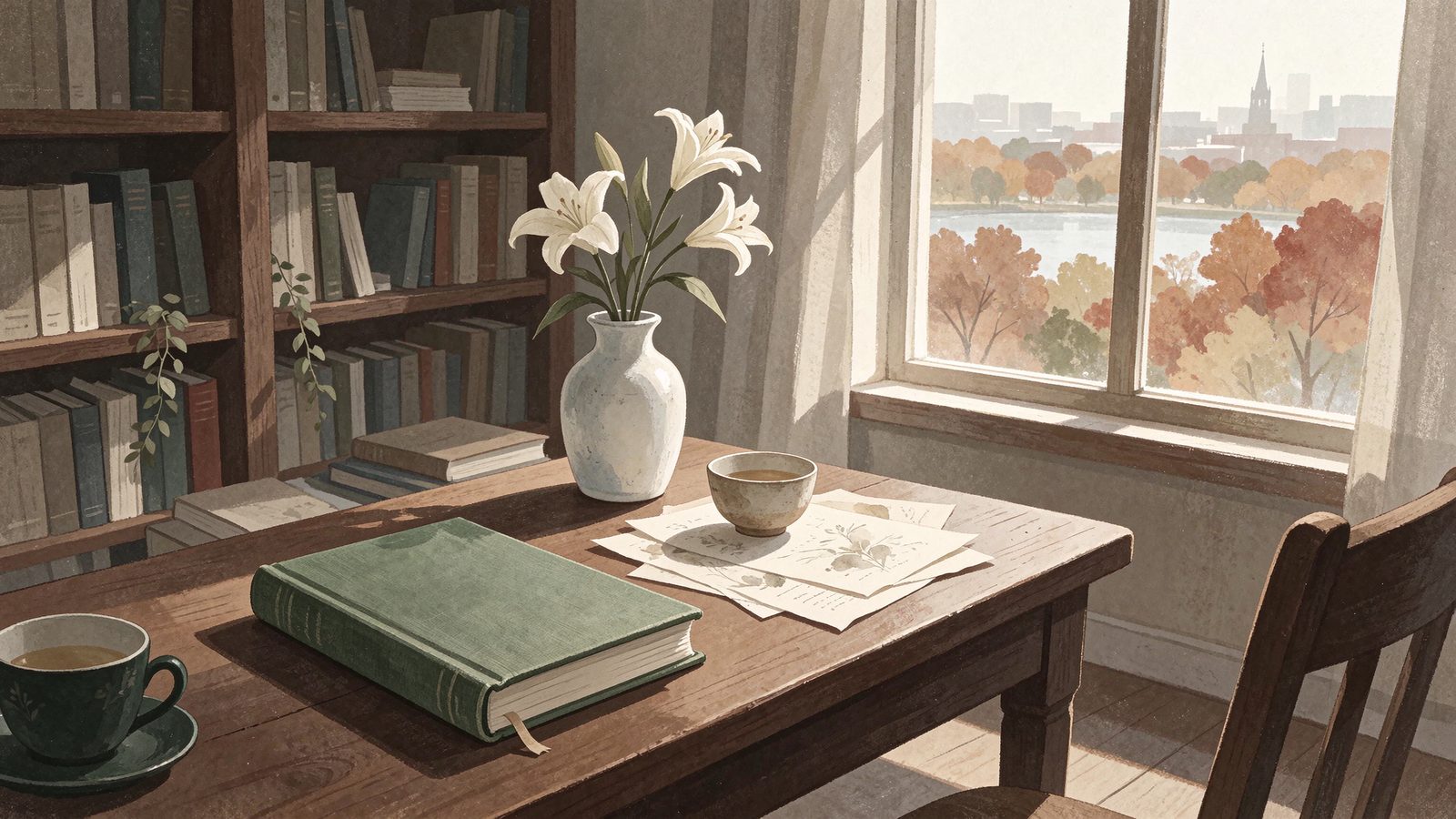
In 1904 he became curator of Chinese and Japanese art at the Museum of Fine Arts, Boston; in 1905 he served tea by candlelight at Gardner's museum. Gardner was an important patron and friend, and Okakura gave her a first edition of The Book of Tea; after his death in 1913 she held a memorial at Fenway Court and inscribed the dates in the book. The relationship shows the book was a product of cross-cultural social life, not a study-room exercise.
Structure of The Book of Tea
The book has seven chapters: The Cup of Humanity, The Schools of Tea, Taoism and Zennism, The Tea-Room, Art Appreciation, Flowers and Tea-Masters. It does not tell tea history chronologically; it uses chanoyu to connect aesthetics, architecture, art, flower arrangement and character.
“The Cup of Humanity” makes tea a philosophy of finding beauty in the everyday; “The Schools of Tea” traces Chinese boiled and whisked tea to Japanese matcha (with simplifications); “Taoism and Zennism” links the tea room to Daoist emptiness and Zen; “The Tea-Room” treats the Sukiya cottage, asymmetry and vacancy; “Art Appreciation” treats viewer and work; “Flowers” treats seasonal arrangement; “Tea-Masters” ends with Rikyu's death.
Influence and boundaries
The Book of Tea was influential in the West, reprinted many times and used as an introduction to Japanese tea culture. Its language is beautiful and image-rich, raising tea to cultural philosophy; it also influenced architecture, design, gardens and art circles. Published in 1906, after Japan's victory in the Russo-Japanese War, it offered a “soft” image of Japan when Western interest was rising.
It is not neutral scholarship: it compresses Chinese tea history into a “prehistory of Japanese chanoyu,” romanticises Japanese tea and generalises “the East”; its critique of Western materialism is insightful and also stereotyping. Read it by separating literary rhetoric, historical fact and political context. It is not a tea-industry report or a tea standard.