Background
Ceylon is present-day Sri Lanka. In the first half of the nineteenth century, coffee was the island's main export crop, and British planters opened large estates in the central highlands. In 1824, a tea plant was brought to the Royal Botanical Garden at Peradeniya for experiment. From 1839, more plants arrived from Assam and Calcutta, but tea remained a trial crop for decades.
James Taylor and Loolecondera
In 1867, the Scot James Taylor planted 19 acres of tea at Loolecondera Estate near Kandy. This was not the island's first tea planting, but it is commonly treated as the start of the commercial Ceylon tea industry. Taylor had learned about tea in northern India. He used a bungalow verandah as a factory, rolled leaf by hand on tables, and fired it over charcoal and clay stoves.
Around 1869, coffee rust (Hemileia vastatrix) spread through the island and destroyed many coffee estates. Planters looked for a replacement crop, and tea moved from trial plots to large-scale planting. By 1872 Taylor had a more fully equipped factory; in 1873 the first Ceylon tea was sold at London auction, a consignment of only about 23 pounds.
From coffee to tea
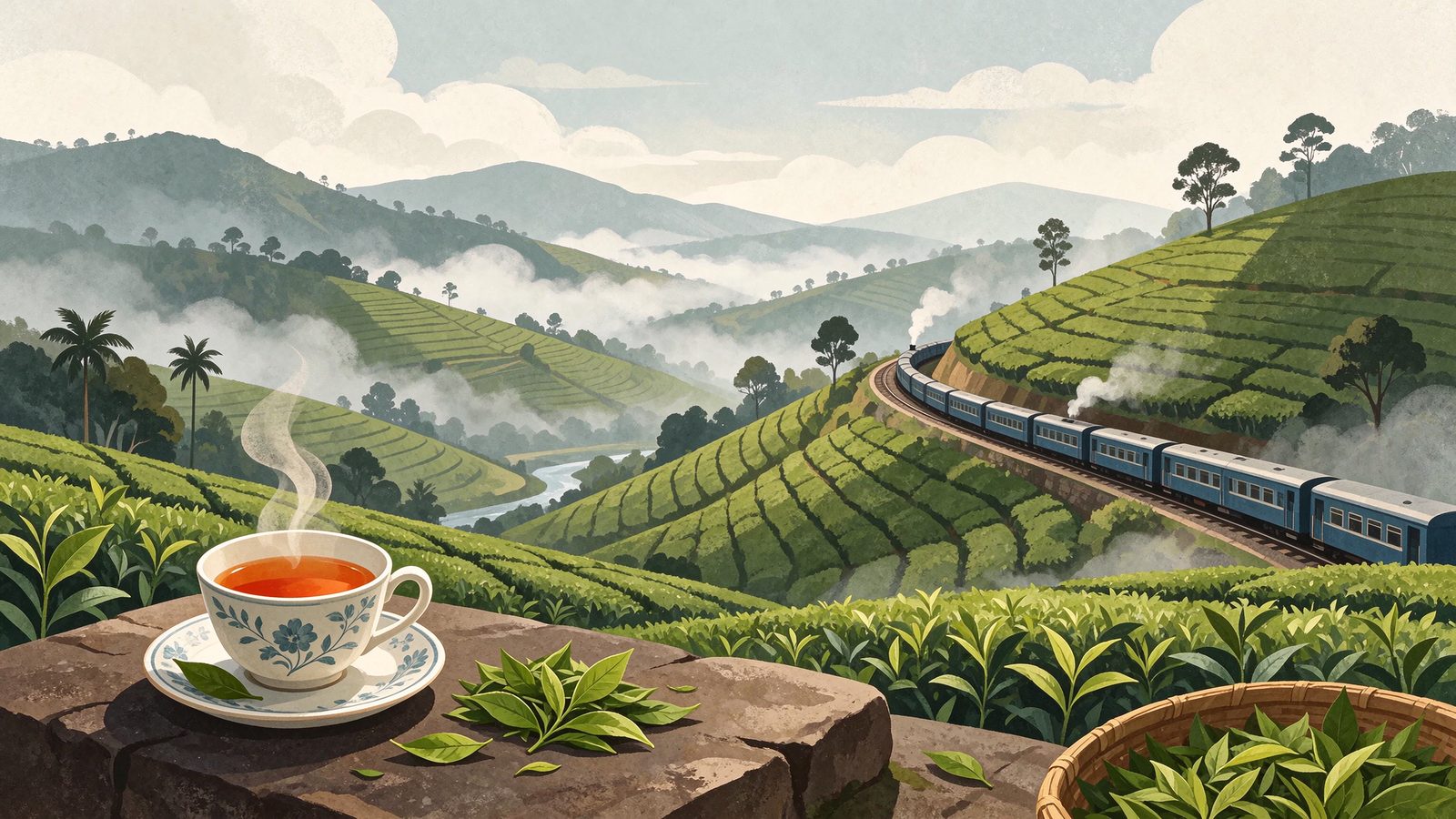
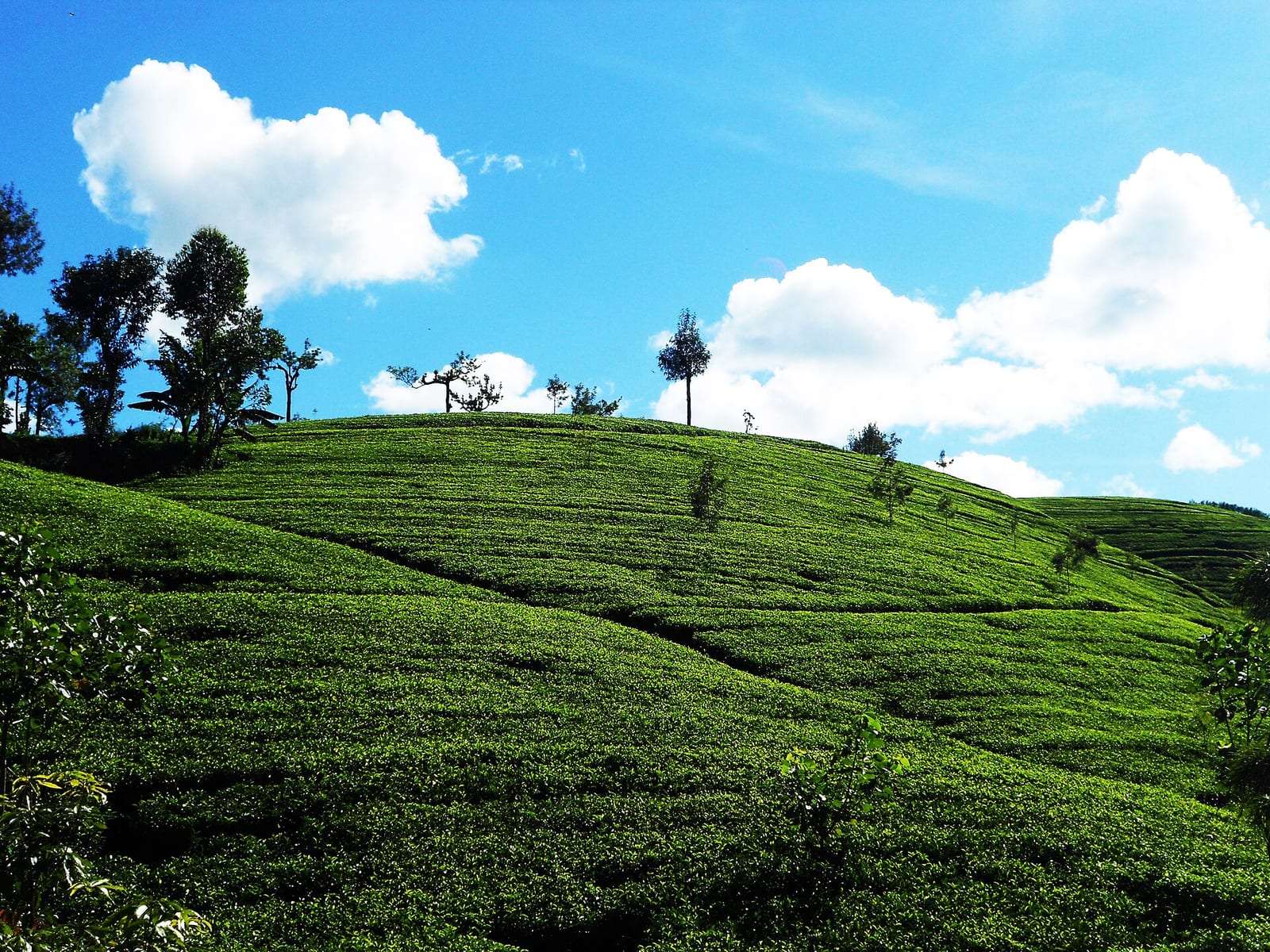
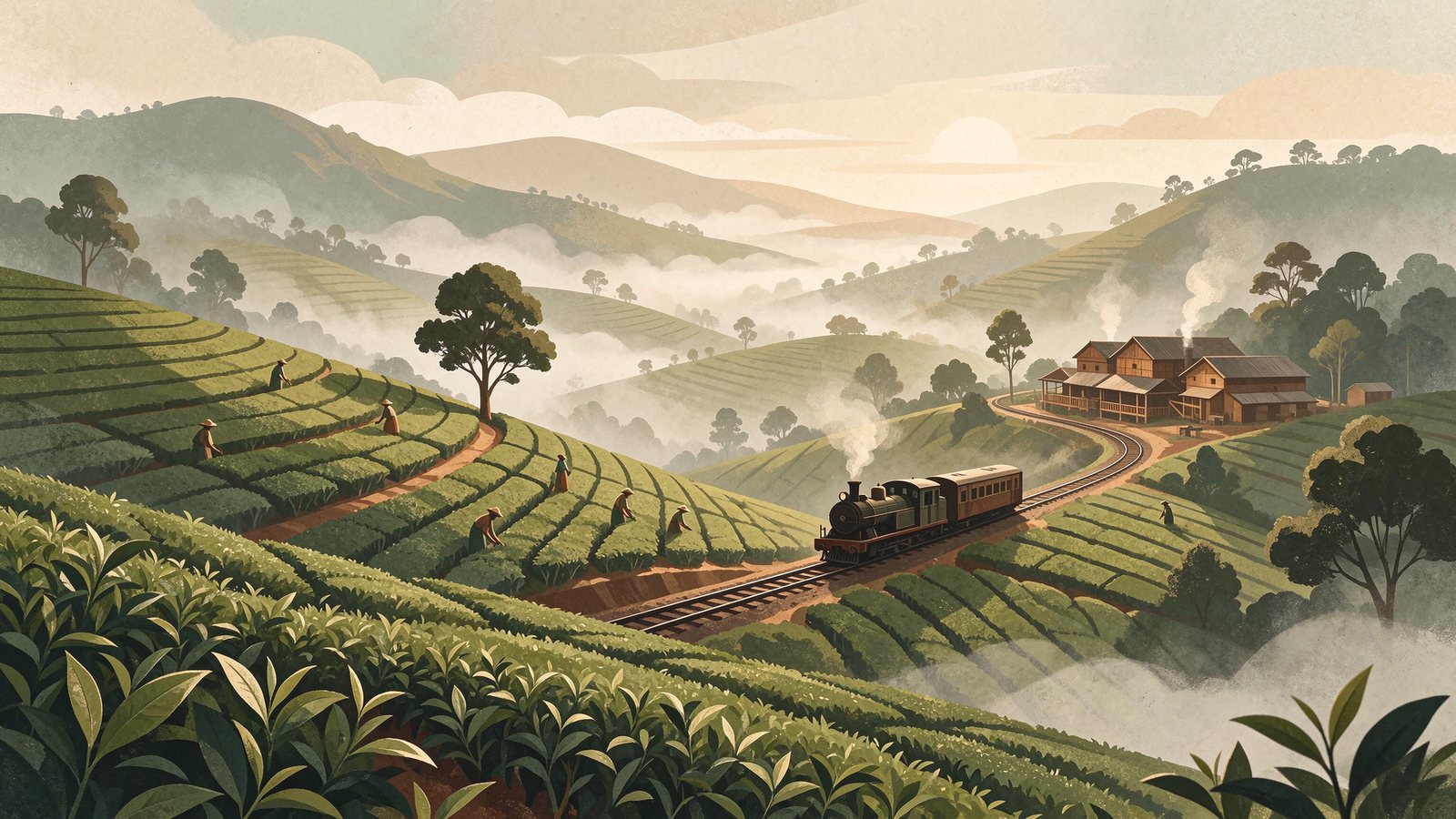
In the 1880s, tea estates spread from Loolecondera to Hope, Rookwood, Mooloya and other areas. The central highlands offered elevation, mist and drainage suited to tea. Plucking, withering, rolling, fermentation and drying became factory processes. By the late nineteenth century, railways carried tea from the hills to Colombo for shipment.
Brand and institutions
In 1965, Ceylon became the world's largest tea exporter. In 1972 the country was renamed Sri Lanka, but “Ceylon tea” continued as an international brand. From the 1990s, the Sri Lanka Tea Board introduced the Ceylon Tea Lion logo for origin certification. Today the industry distinguishes high-grown, mid-grown and low-grown teas; elevation and season affect flavour.
Timeline
- 1824: tea plants are introduced to Peradeniya.
- 1867: Taylor plants 19 acres of commercial tea at Loolecondera.
- 1869: coffee rust spreads and estates turn to tea.
- 1872: a tea factory is operating at Loolecondera.
- 1873: the first Ceylon tea is sold in London.
- 1965: Ceylon becomes the world's largest tea exporter.
- 1972: the country becomes Sri Lanka; the Ceylon tea brand continues.
How to read this history
Do not read Ceylon tea as one man's success. Coffee rust, colonial land law, railways, Colombo port and the London auction market together transformed island agriculture. Taylor supplied a technical starting point; tea replaced coffee through an ecological disaster and global market demand acting together.
Source boundary
This page follows the Ceylon Tea Museum, the Tea Exporters Association and the Sri Lanka Tea Board. Output, exports and auction prices change by year. The current condition, ownership and certification of a specific estate must be checked separately; historical accounts cannot establish whether a tea garden is operating today.